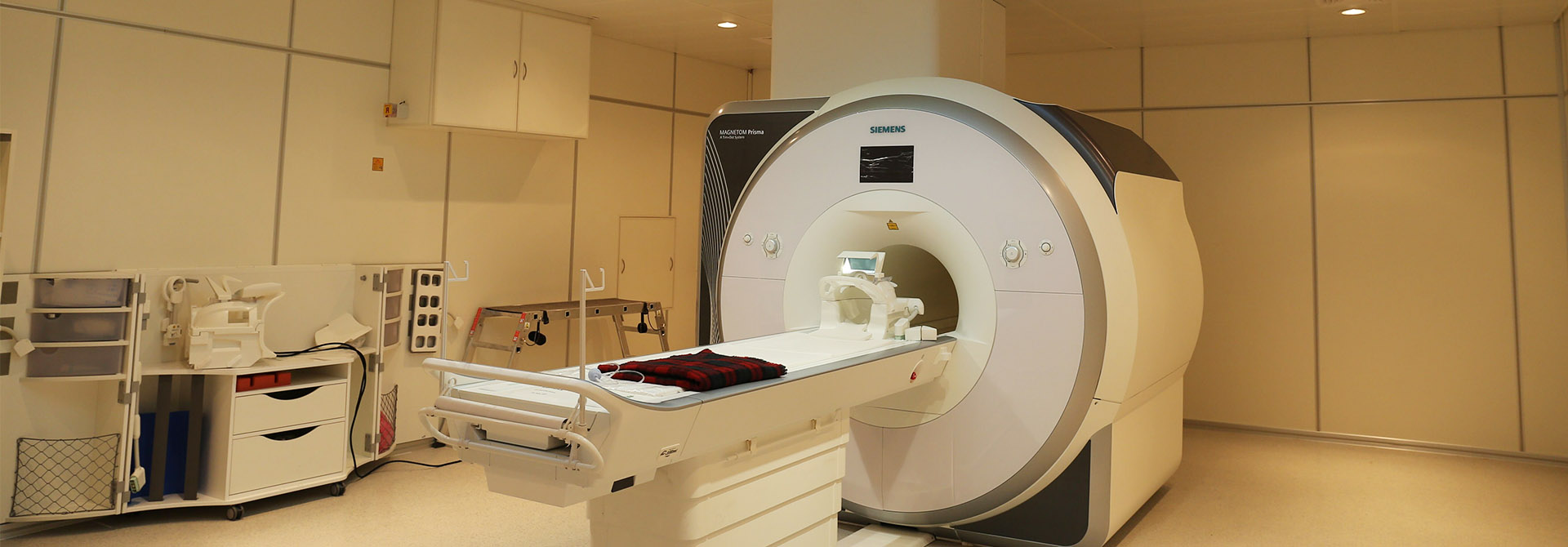
The research group led by Associate Professor Haobo Zhang from the School of Psychology, Shenzhen University, has published a research article entitled “Individualized single-session iTBS modulates functional networks and neural activation to predict cognitive gain” in NeuroImage (IF = 4.5; SCI Category: Neuroimaging Q1), an academic journal in neuroimaging. Combining individualized functional magnetic resonance imaging (fMRI) localization, intermittent theta-burst stimulation (iTBS), and multimodal neuroimaging, the study systematically investigated the mechanisms by which individualized iTBS modulates brain functional networks and cognitive performance. This work provides important neuroscientific evidence for understanding individualized precision intervention using non-invasive brain stimulation.
1. Research Background
Working memory is a core function of the human cognitive system, and the dorsolateral prefrontal cortex (DLPFC), as a key node of the working memory network, is an important target for cognitive enhancement interventions. Intermittent θ-burst stimulation (iTBS), as a high-frequency repetitive transcranial magnetic stimulation (rTMS) protocol, has the potential to modulate cortical excitability. However, previous studies have shown significant inconsistencies in behavioral outcomes: among 11 related studies, only 5 reported cognitive improvements, while 6 found no significant effects. This inconsistency may stem from the limitations of traditional stimulation targeting methods: most studies use a "one-size-fits-all" approach based on group coordinates (10-20 EEG positioning, MRI localization), ignoring the substantial differences in neuroanatomy and functional activation between individuals. In addition, the effects of iTBS on resting-state functional networks remain unclear, and the temporal characteristics of stimulation effects also need to be elucidated.
To address these research gaps, the study employs an individualized fMRI-based DLPFC targeting strategy, combined with task-based and resting-state fMRI assessments, to explore the regulatory effects of a single session of iTBS on neural activity and functional networks, and their association with cognitive performance.
2. Research Methods
The study recruited 56 healthy adults (28 in the iTBS group and 28 in the control group) and used individualized neuro-navigation stimulation, combining behavioral performance with a core method of multimodal brain functional imaging:
1. iTBS intervention and multi-time window assessment: A standard iTBS stimulation protocol was used (600 pulses, 192 seconds) with an intensity of 80% of the individual resting motor threshold. Seven minutes of resting-state fMRI were acquired 5-12 minutes after stimulation, immediately followed by task-state fMRI during 2-back/3-back tasks in two post-stimulation time windows: 12-20 min (post1) and 20-28 min (post2) after stimulation (Figure 1).

Figure 1. Experimental procedure. (a) The experiment was conducted over two consecutive days. (b) Schematic illustration of the N-back task. Participants were required to compare the currently presented stimulus with the stimulus presented N positions earlier in the sequence. A larger N indicates a higher cognitive load. T1: T1-weighted structural image; rMT: resting motor threshold.
2. Individualized stimulation target localization: During the N-back task (1-back/2-back), fMRI scanning is performed, and peak voxels are selected in the brain regions activated in the “2-back > 1-back” contrast, limited to the left Brodmann areas 9/46 (anatomical approximation of the DLPFC), achieving individualized stimulation target localization based on task-related fMRI activation (Figure 2).

Figure 2: (a) Brain activation contrast in the N-back task (2-back > 1-back), voxel-level threshold p < 0.001, cluster-level threshold p < 0.05 (FWE corrected). Red represents higher activation in the 2-back task, blue represents higher activation in the 1-back task. (b) Left DLPFC mask used for localizing stimulation targets, taken from Brodmann areas 9/46. (c) Stimulation targets for the iTBS group and the control group.
3. Multi-level neuroimaging analysis: including whole-brain task activation analysis, seed-based functional connectivity (FC) analysis, and network-level FC analysis based on the Schaefer 400-node atlas (default mode network DMN, frontoparietal network FPN, dorsal attention network DAN, and salience network SN).
3. Research Results
1. After stimulation regulation, task-related neural activity exhibits temporal specificity. In the post1 time window (12–20 min), a significant group × time interaction effect was found in the 3-back task (Figure 3): the iTBS group showed increased activation in the middle cingulate cortex (MCC) and calcarine cortex (CAL), while the control group showed decreased activation in the left inferior parietal lobule (IPL). Correlation analysis indicated that the enhanced MCC activation in the iTBS group was associated with improved 3-back RT (r = 0.38, p = 0.050). Notably, no significant interaction effect was observed in the post2 time window, suggesting that the neural modulation effect of iTBS may be most pronounced around 15–20 min, and then gradually diminishes.

Figure 3: iTBS-induced brain activation changes during the 3-back task. (a) Significant group × time interaction effect, voxel-level threshold p < 0.005, cluster-level threshold p < 0.05. Within-group analysis of activation changes before and after stimulation used an uncorrected voxel threshold of p < 0.01, with cluster volume greater than 50. Red represents increased activation, blue represents decreased activation, and green represents brain regions with interaction effects. (b) Correlation between changes in brain activation (ΔMCC, ΔIPL, ΔCAL: post1 - pre) and changes in behavioral measures of the 3-back task (ΔACC = ACC post1 – ACC pre; ΔRT = RT pre – RT post1), * p < 0.05. (c) Scatter plots showing significant correlations between brain activation before and after stimulation during the 3-back task and cognitive behavioral measures.
2. Changes in target functional connectivity. Resting-state FC analysis showed that the iTBS group exhibited reduced target-medial prefrontal cortex (mPFC) FC and increased target-right insula FC, while the control group showed the opposite results (Figure 4). In the iTBS group, the reduction in target-mPFC FC was significantly correlated with the improvement in 3-back ACC (r = -0.43, p = 0.021), and the increase in target-insula FC was marginally correlated with RT shortening (r = 0.37, p = 0.055).

Figure 4: Changes in target functional connectivity after iTBS stimulation; (a) Changes in target functional connectivity after stimulation in the two groups of subjects. The interaction effect of group and time was significant, voxel threshold p < 0.005, cluster threshold p < 0.05. In the visualization analysis, a lenient threshold was used for the iTBS group and control group: voxel p < 0.05, cluster size greater than 120. (b) Scatter plot of the correlation between the degree of functional connectivity enhancement in the iTBS group and the degree of cognitive performance improvement.
3. Decoupling performance of brain networks. Network-level analysis revealed that iTBS significantly reduced FC within the DMN and FC between the DMN and FPN, whereas the control group's FC within the FPN increased (Figure 5). The reduction in FC within the DMN was significantly correlated with the improvement in 3-back ACC (r = -0.50, p = 0.007). This suggests that individualized iTBS optimizes the cognitive control network configuration by reducing internal functional connectivity of the DMN and its potential interference with tasks, thereby promoting functional separation between the DMN and the executive control network.

Figure 5: Changes in network-level functional connectivity after iTBS stimulation; (a) Changes in brain network-level functional connectivity after stimulation: within the DMN network, functional connectivity decreased in the iTBS group, while within the FPN network, functional connectivity increased in the control group. (b) The scatter plot shows that in the iTBS group, the decrease in DMN network functional connectivity before and after stimulation is negatively correlated with the improvement in 3-back task accuracy. ACC: accuracy (%); * p < 0.05; ** p < 0.01; ns: no statistical difference.
4. Compensation effect based on baseline performance. Although no group × time interaction was found at the behavioral level, individual baseline behavioral performance significantly moderated the iTBS effect: in the iTBS group, individuals with slower 3-back baseline RT showed greater post-stimulation RT improvement (β = 0.56, p < 0.001). This baseline-change relationship was absent in the control group (β = -0.08, p = 0.923), and the group × baseline interaction was significant (p = 0.016) (Figure 6). This suggests that individualized iTBS may have a compensatory modulation characteristic based on baseline ability, allowing individuals with lower baseline cognitive efficiency to benefit more.

Figure 6: (a) Violin plots of N-back task cognitive performance (ACC, RT) before and after stimulation; (b) Baseline cognitive level can predict the magnitude of improvement after stimulation; ACC: accuracy (%); RT: reaction time (ms)
4. Research Conclusions
This study reveals the neural modulation mechanisms of individualized iTBS from a multi-level neuroimaging perspective: at the local level, iTBS enhances functional coupling between the target and key nodes of salient networks (insula); at the network level, iTBS suppresses functional connectivity within the DMN and between the DMN and FPN, promoting functional segregation between the cognitive control network and the default mode network; at the system level, these neural modulation effects are correlated with improvements in cognitive performance and show significant baseline-dependent compensatory characteristics.
These findings indicate that individualized iTBS does not merely produce local cortical excitability changes, but optimizes the brain's capacity to handle high cognitive load through distributed neural network reorganization. The study provides an important theoretical basis for developing individualized cognitive interventions guided by neural features and offers a new perspective for understanding heterogeneity in the effects of non-invasive brain stimulation.
5. Author Contributions
The School of Psychology at Shenzhen University is the primary institution responsible for this thesis. Associate Professor Zhang Haobo is the corresponding author of the paper. The first author of the paper is Fan Shaoxia, a master's student in the research group (already graduated, currently a PhD student at the University of Hamburg, Germany). Master's students in the research group, Zhang Jia and Wu Junying, Professor Zang Yufeng and Dr. Yue Juan from Hangzhou Normal University, Zhang Xingxing from the Department of Neurosurgery at Shenzhen University General Hospital, Professor Guan Qing from the School of Psychology at Shenzhen University, Professor Luo Yuejia from Beijing Normal University, as well as Assistant Professor Zhang Jianfeng from the School of Psychology at Shenzhen University have made important contributions to this study. This research was supported by the Shenzhen University Young Faculty Research Start-up Fund, the National Natural Science Foundation, the Shenzhen-Hong Kong Brain Science Innovation Research Institute, the Science and Technology Innovation 2030 'Brain Science and Brain-Inspired Research' major project, and the National Social Science Fund major project. We would like to thank the teachers at the Brain Imaging Center of Shenzhen University for their assistance.
6. References
Fan, S., Zhang, J., Wu, J., Zang, Y., Yue, J., Zhang, X., Guan, Q., Luo, Y., Zhang, J., & Zhang, H. (2026). Individualized single-session iTBS modulates functional networks and neural activation to predict cognitive gain. NeuroImage, 334, 121968. https://doi.org/10.1016/j.neuroimage.2026.121968